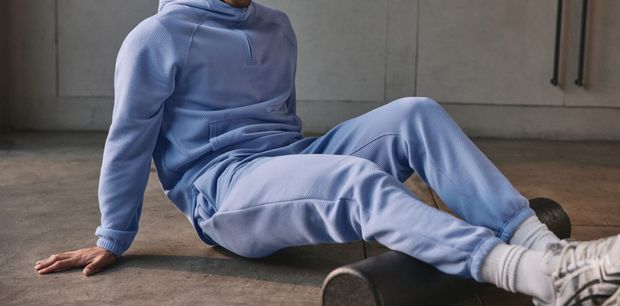
A pair of joggers can look great in the mirror and feel too tight the moment you sit down. The right fit should feel just as good in motion, whether you're working through a set or settling in for a long flight.
Men's joggers should sit securely at the waist, leave room through the hips and thighs and finish near the ankle without excess bunching. Beyond that, your preferred fit and fabric depend on how you wear them. Our lineup gives you lightweight options for training, comfortable styles for everyday plans and softer pairs for downtime.
How Should Joggers Fit?
When you're trying on joggers, the fit usually comes down to four areas:
- Waist: Secure without digging in. A drawcord fine-tunes the fit; it shouldn't have to gather a much-too-large waistband.
- Seat and Thighs: Enough room to sit, squat and climb stairs without pulling across the front or seat.
- Lower Leg: A taper you like, with enough calf room to move. Slim doesn't mean skin-tight.
- Length: For a full-length cuffed jogger, aim near the ankle without heavy stacking over your shoes.
Joggers for Your Routine
- Gym and Training: The One Jogger for lightweight stretch and quick-dry fabric.
- Everyday Wear and Travel: The Don Jogger for a classic fit and wrinkle-resistant fabric.
- Lounging and Comfort: The Cloud Jersey Jogger for a soft, lightweight feel.
What Makes a Jogger a Jogger?
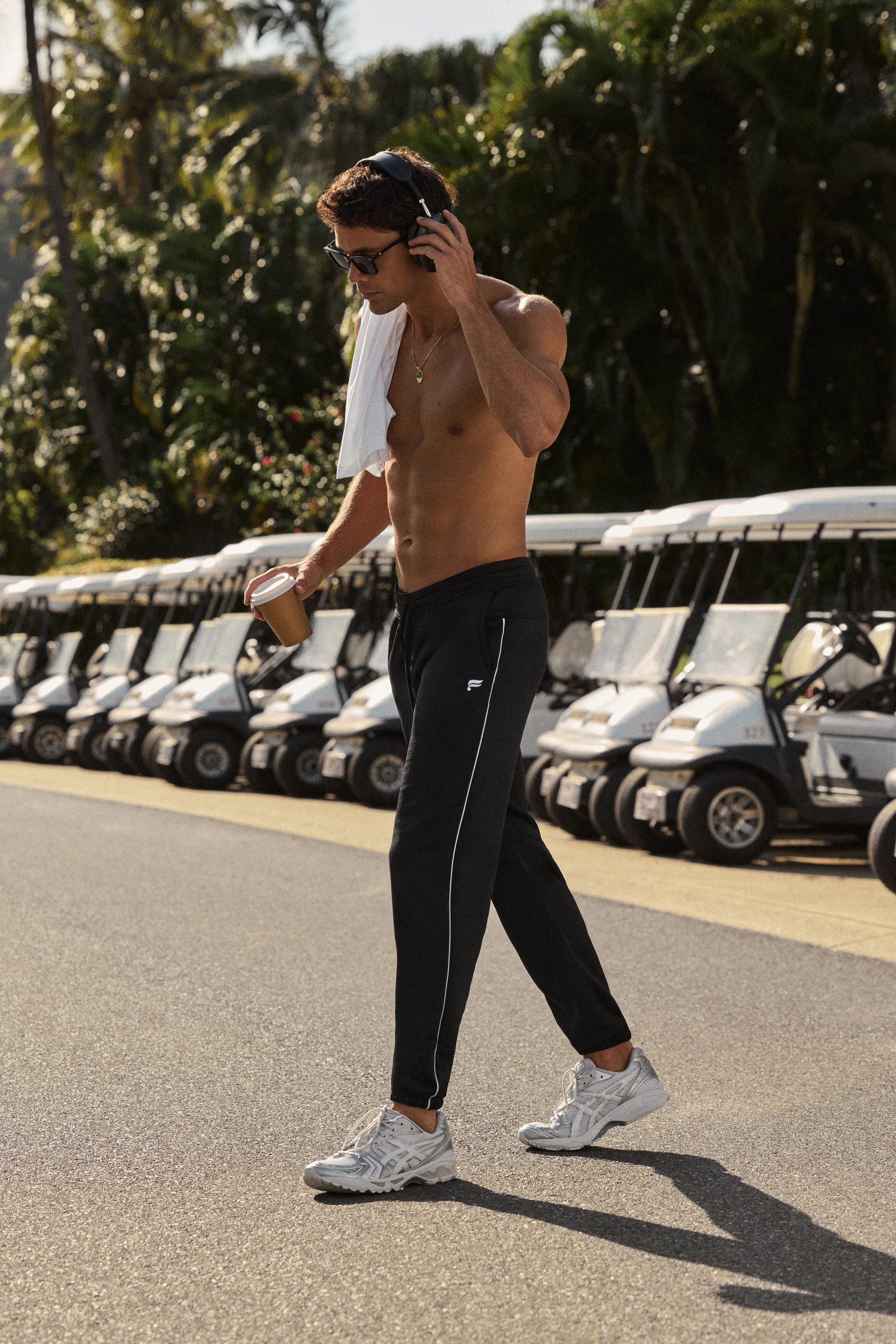
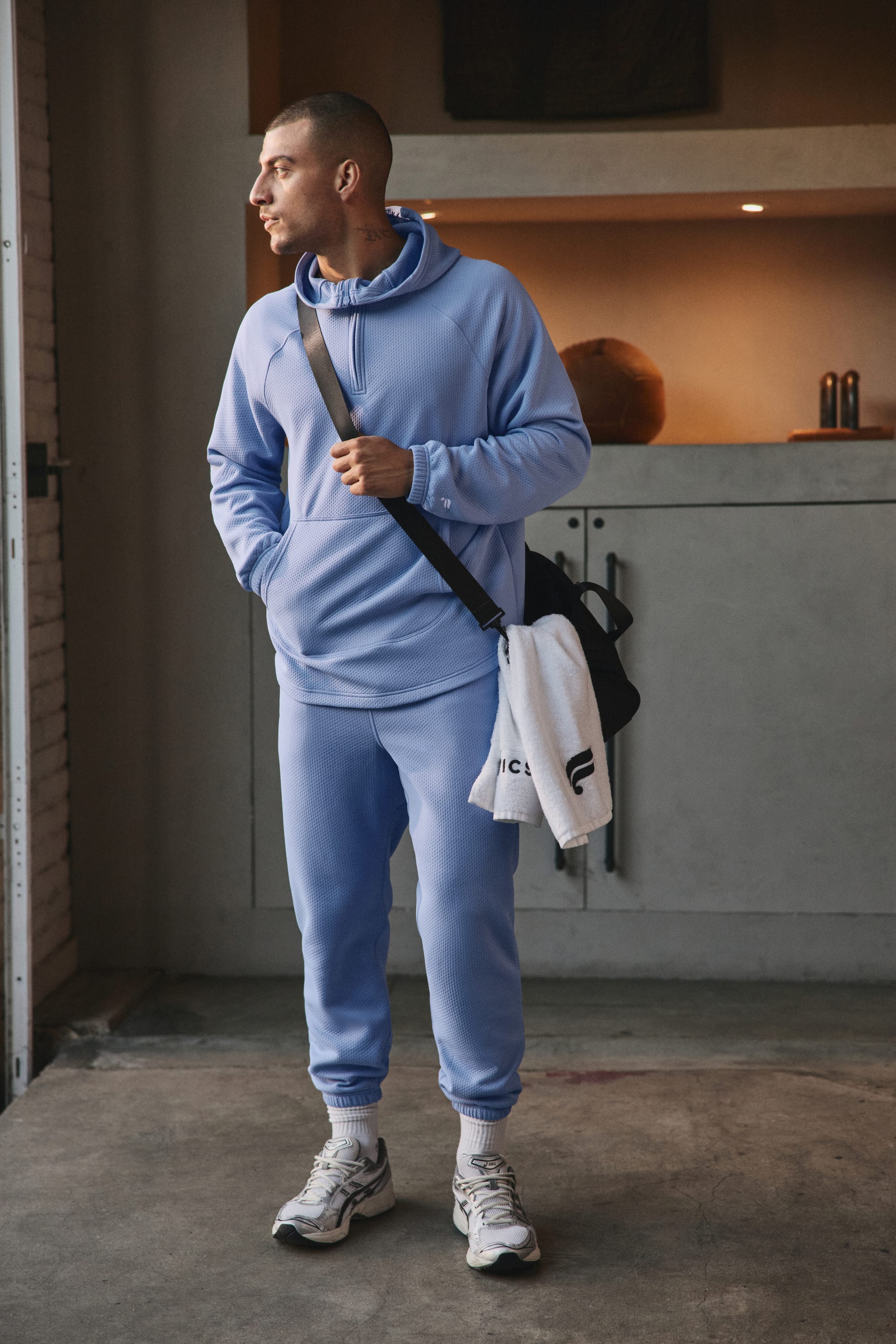
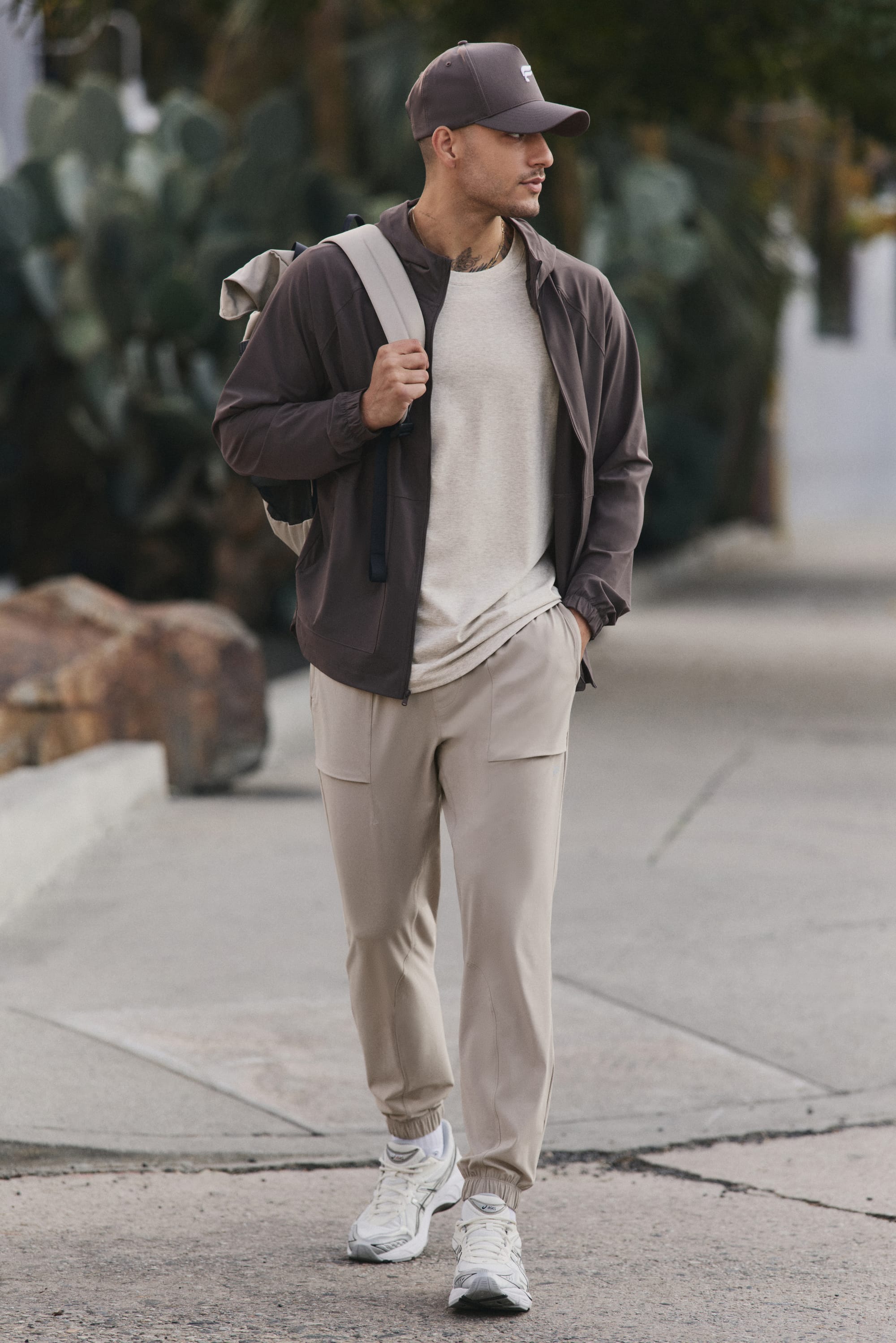
Joggers typically combine an elastic or drawcord waistband with a leg that narrows toward the ankle, often ending in a cuff. Sweatpants describe a broader category of casual pants, commonly made from fleece or other soft knits; they can have either cuffed or open hems.
The categories overlap. A fleece jogger can also be a sweatpant. A performance jogger can have a tapered hem without a ribbed cuff.
For joggers, pay attention to the whole leg shape. The ankle finish is only one part of the fit; the room through your seat, thighs and calves matters just as much.
The Main Jogger Fits, Explained
Classic Fit
A classic fit is a useful starting point when you don't want a particularly close or oversized look. Check how the individual style fits through the seat and thigh, rather than assuming the label guarantees a specific amount of room.
The lower leg can still narrow toward the ankle. Classic fit describes the overall shape; it doesn't mean a straight, open hem.
Slim and Tapered Fit
Slim describes a closer fit. Tapered describes a leg that narrows toward the bottom. They're related, but they aren't interchangeable: a tapered pant can leave room through the thigh.
For training, look for enough space through the upper leg with less loose fabric around the ankle. Start with a squat and a forward lunge. If the fabric pulls or the calves catch, change the size or cut.
Relaxed Fit
A relaxed fit gives you more ease where a closer cut feels restrictive. It's a useful starting point for fuller thighs, a roomier everyday look or comfortable layering.
Buy a relaxed silhouette because you want that shape. Simply buying a much larger slim jogger can leave you with a loose waist and an awkward rise.
How Do Joggers Fit Different Body Types?
For a leaner build, a slim or tapered jogger is a useful starting point when you want less excess fabric. Fuller hips or thighs may need a relaxed cut with more room above the knee. Height helps inform inseam choice, but doesn't determine which silhouette you should wear.
Use those as starting points, not rules about how your body should look. A lean frame can wear a relaxed fit. Muscular legs can wear a taper. The deciding factors are space, movement and the shape you want.
Your Fit Reference
- Leaner Hips and Thighs: Start with slim or tapered for a closer line. Choose relaxed when you want more volume on purpose.
- Fuller Hips and Thighs: Start with relaxed upper-leg room. Check that the seat stays comfortable when you sit.
- Muscular Calves: Look for a gentler taper with more calf room. Don't judge the fit from the waistband alone.
- Longer Legs: Compare Tall inseams while keeping the waist size that fits.
- Shorter Legs: Compare Short inseams before sizing down the whole pant.
Measure Your Waist, Then Check the Whole Fit
Use our men's size guide to compare your measurements with the chart. Measure your natural waist with your stomach relaxed. Keep the tape level, rather than pulling it tight to reach a smaller number.
Then consider your hips and thighs. If the waistband fits but the upper leg pulls, try a roomier silhouette. If the whole pant feels tight, compare the next size. Those are different fit problems with different fixes.
Between sizes, use the product's specific guidance and your movement check. There's no universal rule that every training jogger needs sizing up. Extra fabric won't help if it leaves the waistband slipping.
Check the Rise While Sitting
Rise is the distance from the crotch seam to the waistband. It affects where the waistband sits and how much room you have through the seat.
Sit down, lean forward and stand again. If the waistband pulls down sharply or the crotch presses upward, reassess the size or rise. Lowering the waistband to gain length can create a different problem through the seat.
Check the Ankle With Shoes On
A little fabric movement is normal. Heavy folds over the shoe can signal excess length. Fabric catching at the calf can make the hem sit high even when the inseam isn't short.
Try the joggers with the shoes you'll actually wear. Stand, walk and sit. A hem will move as your knee bends; it doesn't need to stay fixed at the ankle in every position.
Our Picks for Training, Everyday Wear and Lounging
Best for the Gym and Training: The One Jogger
The One Jogger is our training pick for its lightweight Boundless fabric, athletic fit and stretch. Quick-dry fabric suits active days, while ergonomic seams are designed to let you move naturally.
The One Jogger has an average customer rating of 4.7 out of 5 across 8,600+ reviews on our site.
Start with the movement you need most. Squat, lunge and take a long stride. The fit should give you room through the upper leg without leaving excess fabric around your feet. If the calves catch when you stand up, try a different size or cut.
Zip pockets keep small essentials contained. For running or intervals, check how your phone moves with you. Carrying less can be more comfortable than filling every compartment.
Choose this pair when your first priority is training. The lightweight feel also makes it an option for the errands that come afterward.
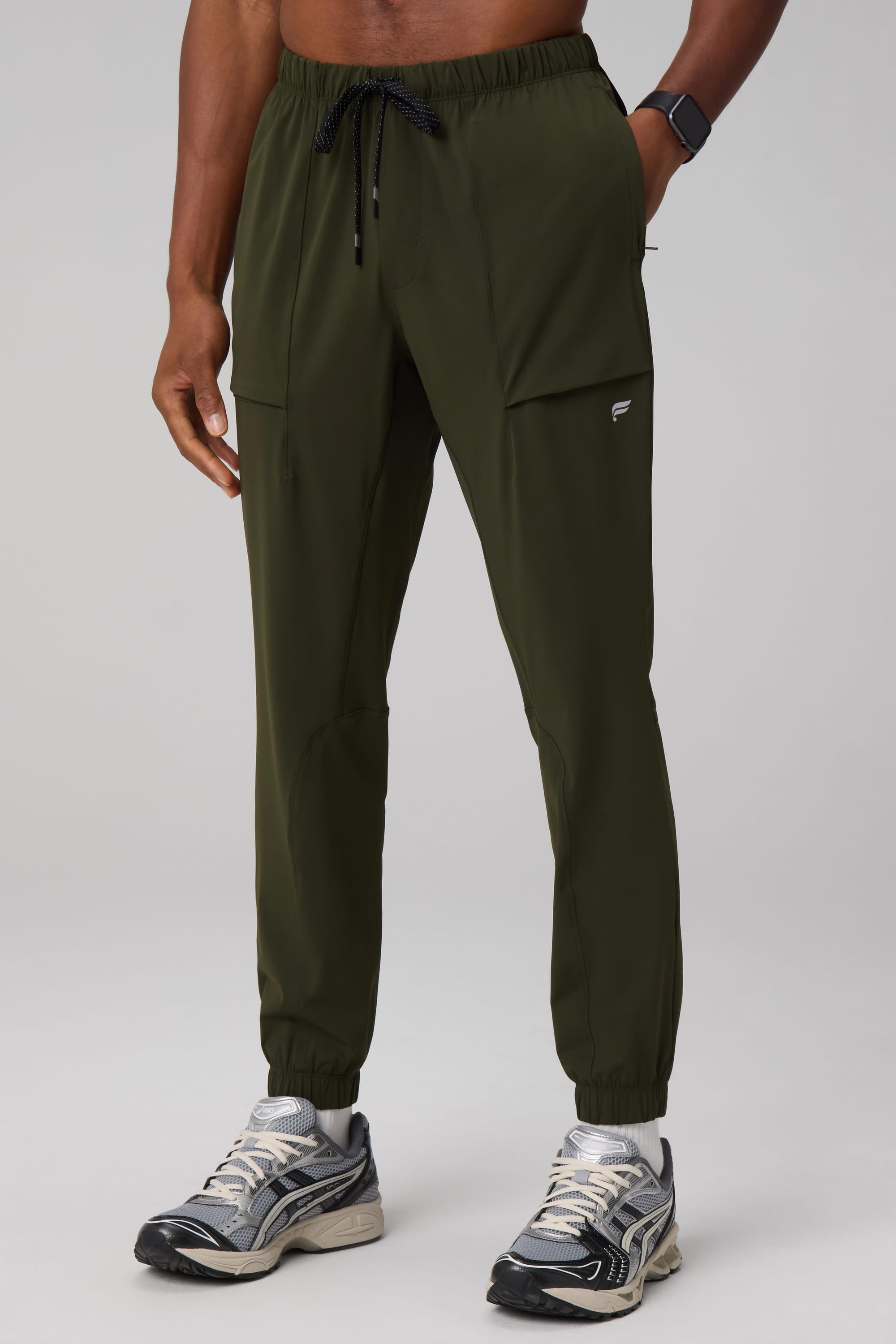
The One Jogger
Designed with versatility in mind. Lightweight fabric and an athletic cut come together to create the ultimate do-it-all jogger. Ergonomic seams allow for seamless, natural movement.
The One Jogger: Fabric and Care
Boundless: 79% nylon and 21% spandex. Follow the garment's sewn-in care instructions.
Best for Everyday Wear and Travel: The Don Jogger
The Don Jogger is our everyday and travel pick for its classic fit and Don RepelKnit fabric. Four-way stretch gives you movement, while wrinkle resistance helps keep the look put together through a full day out.
Two zip pockets and a hidden zip compartment give your essentials a place to go. Before a trip, try sitting with your phone and wallet in their intended pockets. Check for pressure against your thighs and pulling across the seat.
Wear this pair with a tee and sneakers for errands. Add a casual shirt when your plans call for a little more. Choose it when you want a jogger that looks considered and still feels comfortable.
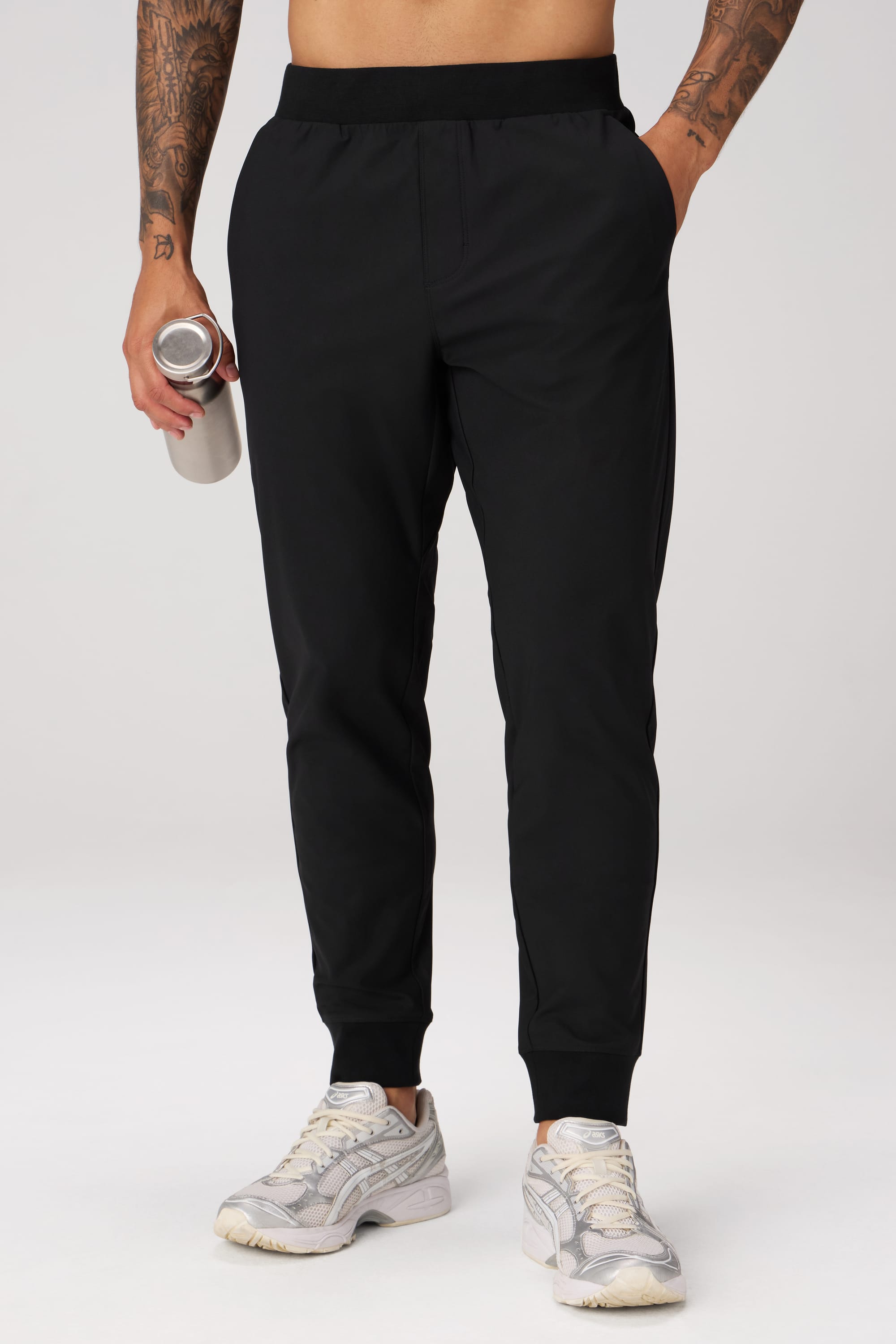
The Don Jogger
Train. Move. Kick back. These classic-fit joggers were built to handle it all — workouts, rest days, and everything in between. The soft, stretchy Don RepelKnit fabric moves with you, not against you, so you’re never held back. Two zip pockets and a hidden zip stash keep your essentials close without the bulk and waistband is softer than you’d think. Clean fit, chill vibes, zero effort.
The Don Jogger: Fabric and Care
Don RepelKnit: 100% polyester. Follow the garment's sewn-in care instructions.
Also Consider: The GridTech Jogger
Prefer more texture in your outfit? The GridTech Jogger pairs a tapered leg and cuffed ankle with soft ComfortKnit. The double-grid knit gives it a structured drape and lightweight warmth.
Choose The GridTech Jogger for casual plans when you want that texture and softer look. A plain tee lets the fabric stand out; a coordinating layer makes an easy outfit. The Don Jogger remains our travel pick when wrinkle resistance is the deciding feature.
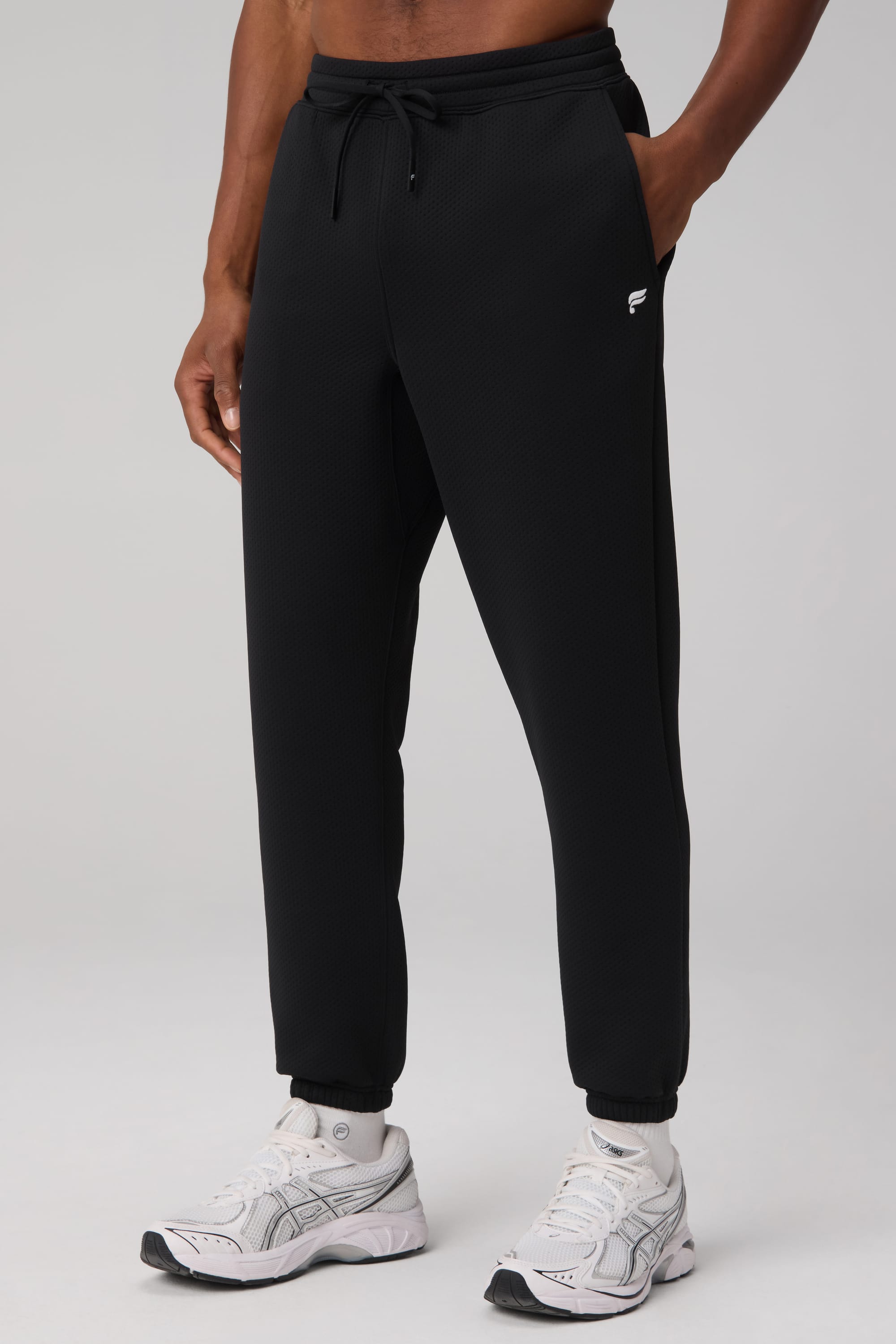
The GridTech Jogger
A rest day essential, engineered for comfort. Crafted in our soft innovative ComfortKnit fabric, this jogger delivers lightweight warmth, a soft structured drape, and just the right amount of stretch for daily movement. A tapered leg and cuffed ankle refine the look, while the adjustable waistband secures a personalized fit.
The GridTech Jogger: Fabric and Care
ComfortKnit: 100% polyester. Follow the garment's sewn-in care instructions.
Best for Lounging and Comfort: The Cloud Jersey Jogger
The Cloud Jersey Jogger is our pick when softness comes first. Lightweight, breathable Cloud Jersey has four-way stretch, so you can settle into the couch or stretch out on the floor without a stiff feel.
The Cloud Jersey Jogger has an average customer rating of 4.7 out of 5 across 3,400+ reviews on our site.
For lounging, pay particular attention to how the waistband and seat feel when you sit. A pair can look right standing up and still pull when you lean forward. Choose enough room to relax without having to loosen or reposition the waist.
This is the pair for a quiet morning at home, a recovery day or a comfortable travel outfit. Zip pockets are useful when you head out for coffee. You don't have to change just because the day includes a few plans.
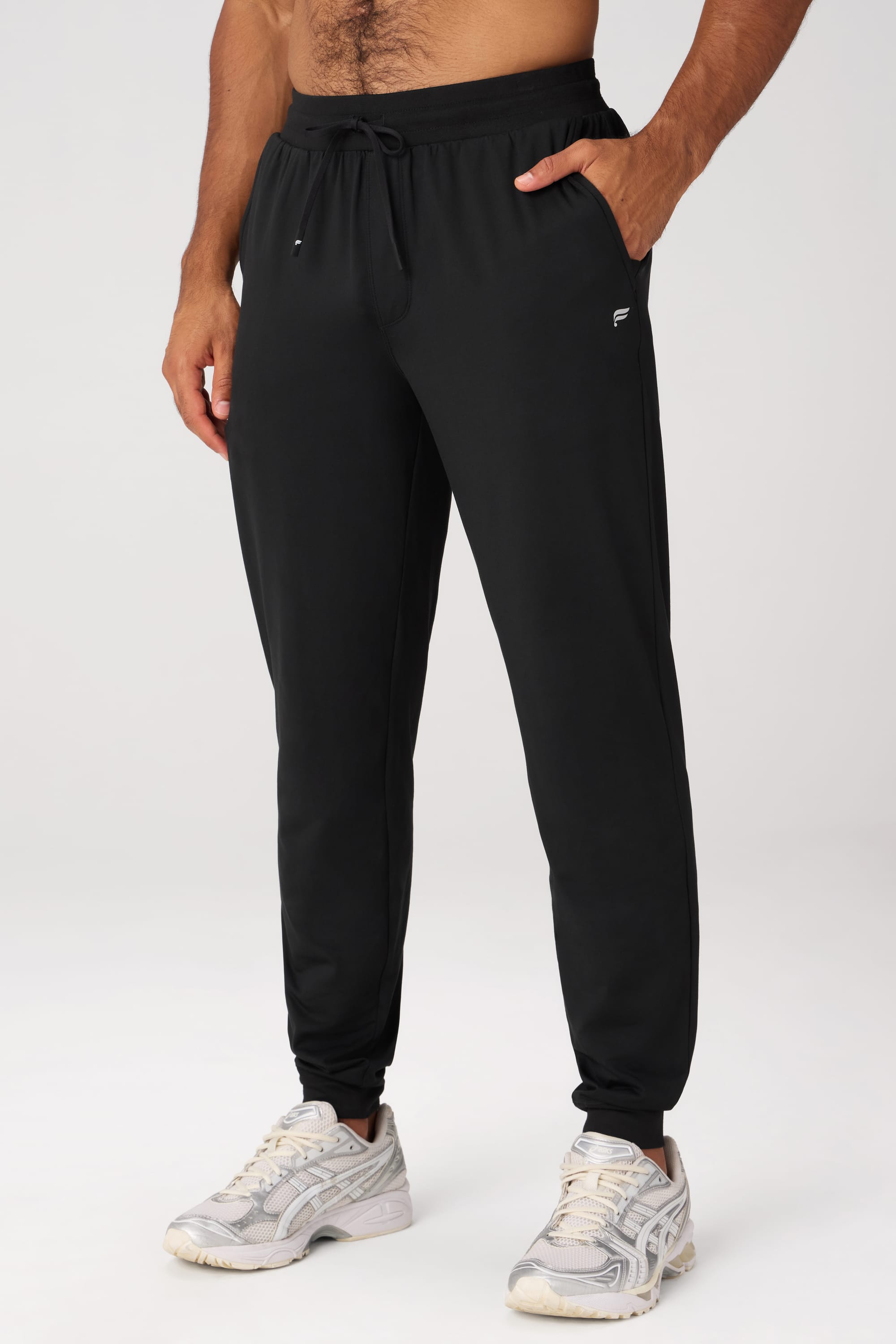
The Cloud Jersey Jogger
You think you know soft? This jogger redefines the word thanks to lightweight, versatile fabric you can travel, chill, and Warrior 1 in. Plus, a modern cut will keep you looking fresh.
The Cloud Jersey Jogger: Fabric and Care
Cloud Jersey: 88% recycled polyester and 12% spandex. Follow the garment's sewn-in care instructions.
Also Consider: The Go-To Jogger
When you want a warmer pair, choose The Go-To Jogger. Its heavier fleece and brushed interior suit cooler mornings, evenings at home and cold-weather errands.
The choice comes down to the feel you prefer: lightweight softness from The Cloud Jersey Jogger or more substantial warmth from The Go-To Jogger. Both belong in the comfort conversation, but they give you different reasons to reach for them.
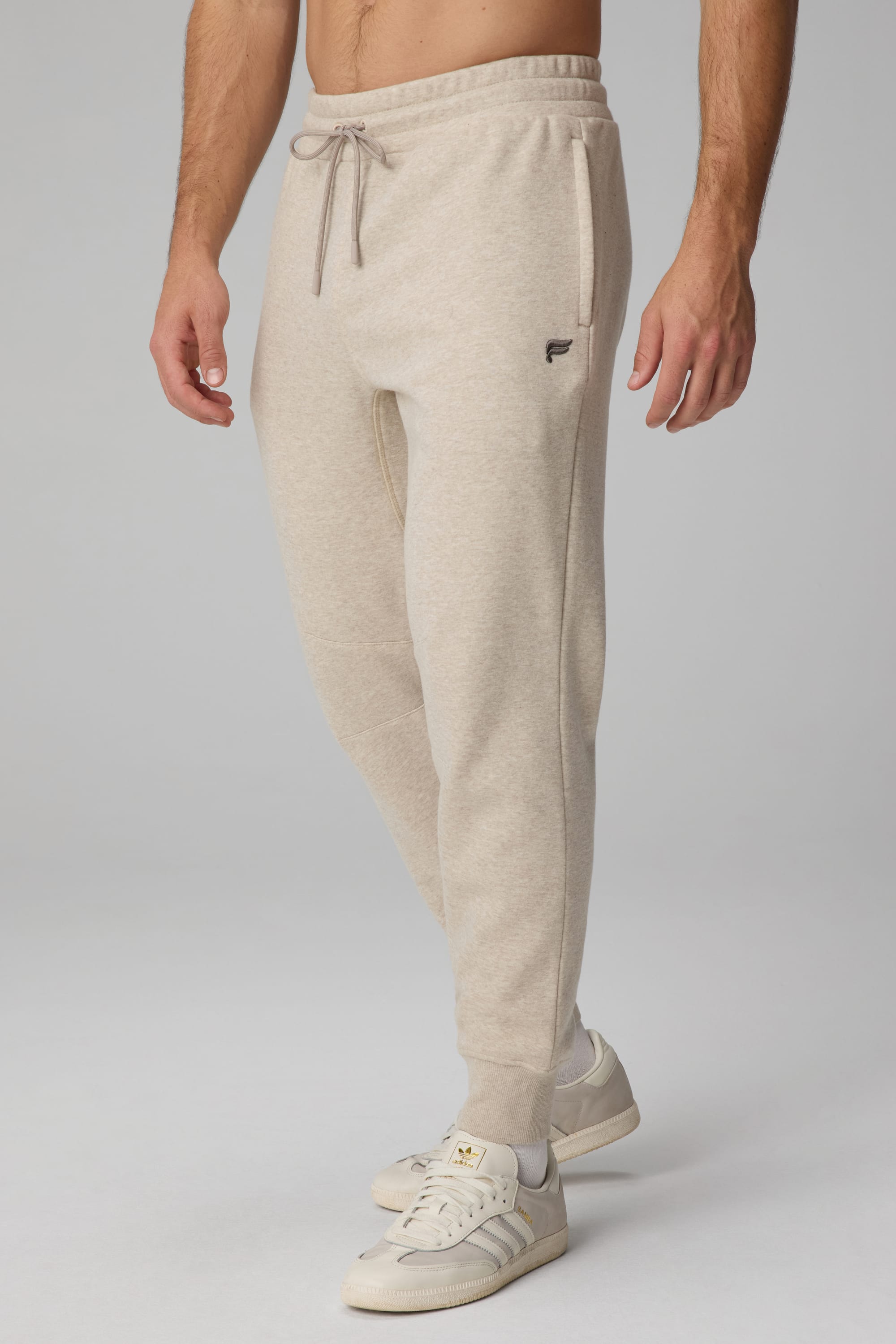
The Go-To Jogger
The jogger that started it all. Our best-selling, cult classic jogger made with ultra-cozy fleece for premium lounge-ability. You won’t want to take these sport-inspired joggers off, so grab more than one pair and you’ll never have to.
The Go-To Jogger: Fabric and Care
Fleece: 67% recycled polyester and 33% cotton. Follow the garment's sewn-in care instructions.
The Right Length Without Changing Your Waist Size
Choose the waist size that fits, then compare inseams. A longer or shorter leg shouldn't require you to accept a loose waistband or tight thighs.
Our joggers don't all use the same inseam measurements:
- The One Jogger, The Cloud Jersey Jogger and The Go-To Jogger: Short 27 inches, Regular 29 inches and Tall 32 inches.
- The Don Jogger and The GridTech Jogger: Short 30 inches, Regular 32 inches and Tall 34 inches.
Use the measurements for the exact style you're buying. A “Regular” label isn't a universal length, and a listed option doesn't guarantee every size and color combination is available.
If Your Joggers Sit Too High
Try a longer inseam when the waist and thighs fit but the hem finishes higher than you want. Height alone isn't a perfect guide: two people of the same height can have different leg proportions.
Don't use your usual jeans inseam as an automatic match. Jeans may sit lower over the shoe, while a jogger finishes higher. Compare a pair with a hem position you like and consider where each style sits at the waist.
If Fabric Bunches at the Ankle
Try a shorter inseam when excess fabric collects over the shoe. Sizing down the whole pant can also reduce room through the seat and thigh.
Check for calf tightness before assuming every fold means excess length. Fabric caught on the lower leg can bunch above that point. If a shorter inseam doesn't solve the problem, try a gentler taper.
Materials and Construction: What to Look For
Stretch and Sweat Handling
Stretch matters when you bend at the knee or hip. Sweat-wicking and quick-dry features address different needs: moving moisture away from the skin and helping fabric dry. Look for the specific features you need in the product description.
Don't assume a soft fabric is a workout fabric. Don't assume a tapered shape means stretch. Judge the construction and fit together, then test the movement you'll use most.
Weight and Warmth
Fabric weight changes when you'll reach for a pair. A heavier brushed interior can feel welcome on a cold morning and excessive during indoor intervals.
Think about where you spend the day. An air-conditioned flight and a hot walk across town ask different things of the same pants. If you tend to run warm, prioritize lighter fabric before choosing extra pockets or a particular silhouette.
When you shop men's joggers, compare the fabric descriptions alongside the fit. A similar silhouette can feel very different in lightweight jersey and brushed fleece.
Waistband, Cuffs and Pockets
An adjustable waistband helps fine-tune the fit. It doesn't replace choosing the right size. Check that the waistband remains comfortable when you're seated and doesn't need repeated tightening.
Cuffs control how the hem sits, but a tight cuff can catch above the ankle. Check the lower leg while walking and sitting. The ankle finish should stay comfortable without needing to be pulled back into place.
Finally, load the pockets before making the call. Walk with your phone, sit with your wallet and check each closure. Empty pockets can hide a fit issue that appears once you leave home.
When to Wear Joggers
For the gym, choose movement first. For errands, think about walking, carrying essentials and getting in and out of the car. For a casual dinner or a weekend meetup, focus on the silhouette and outfit.
A tee and sneakers keep the look simple. A coordinating layer makes it feel more considered. You don't need a completely different wardrobe between a morning coffee run and plans with friends.
You do need to account for the setting. A warm fleece pair won't become a lightweight training pant because you're wearing it to the gym. Start with the part of the day that asks the most of your clothes, then dress around it.
The Fabletics Difference
We build our joggers around different ways you move and unwind. Stretch for training. Wrinkle resistance for a day out. Soft jersey and warm fleece for downtime. Then we give you length options to help get the fit right.
Choose the feature that solves your actual problem. If you keep adjusting the calves, revisit the taper. If you're stepping on the hem, revisit the length. A good fit should stay comfortable once you leave the mirror.
New Fabletics Men VIPs can get $19 pants on eligible styles. VIP membership includes recurring monthly billing for a VIP Credit unless you skip between the 1st and the 5th. You can cancel anytime; see Fabletics Men VIP membership details.
Prefer shorts for your workouts? Read our men's workout shorts guide for running and lifting picks.
FAQs
What's the Best Fit for Men's Joggers Overall?
The best everyday jogger fit stays secure at the waist, leaves room through the seat and thighs and finishes at a comfortable ankle length. Choose a closer or gentler taper based on your calf room and preferred silhouette. The right fit lets you sit and move without pulling, slipping or repeated adjustments. Your proportions and preferences matter more than one universal silhouette.
How Do I Choose the Right Jogger Size?
Measure your waist and hips, then compare the product's size guidance. Check the seat and thighs while sitting and squatting. Choose the inseam separately where length options exist. If only the lower leg feels tight, try a gentler taper before changing the whole size. If the entire pant feels restrictive, compare the next size and repeat the movement check.
What Should I Look for When Buying Joggers?
Look at the fit through the hips and thighs, lower-leg shape, inseam, rise, fabric and pocket closures. For workouts, prioritize unrestricted movement and verified sweat-handling features. For cooler downtime, consider warmth and softness. For travel, test seated comfort with essentials in your pockets. A feature only matters if it helps with how you'll wear the pants.
How Should Joggers Fit at the Ankle?
Full-length cuffed joggers generally finish near the ankle bone without heavy fabric stacking over the shoe. The cuff should feel comfortable rather than catch tightly around the calf. If the upper half fits but the legs bunch, compare shorter inseams. Cropped styles have a different intended finish, so check the design before treating ankle position as a universal rule.
What's the Difference Between Slim, Classic and Relaxed Joggers?
Slim joggers fit closer to the body. Classic fit generally sits between a close and oversized look, while relaxed fits offer more ease. Exact proportions vary by style. Taper describes narrowing toward the ankle and can appear in different fits. Choose the combination that gives your thighs and calves enough room while creating the silhouette you prefer.
Should Tall or Short Guys Size Up or Down in Joggers?
Choose your waist size for your waist and hips, then adjust length separately. Sizing up for longer legs can leave the waistband loose; sizing down for shorter legs can restrict the seat and thighs. Compare Short, Regular and Tall inseams where offered. Height is a starting point, but leg proportions and the intended hem position determine the better length.